
Before You Buy a Water Filter: Why Understanding Your Home’s Water Quality Comes First
Key points
Buying a water filtration system without knowing what's in your water can be an expensive guessing game. You might install a filter to eliminate cloudy water, only to discover that the real problem lies somewhere in your plumbing. Or perhaps you purchase a softener expecting it to improve an unpleasant drinking water taste, but nothing…
Buying a water filtration system without knowing what’s in your water can be an expensive guessing game. You might install a filter to eliminate cloudy water, only to discover that the real problem lies somewhere in your plumbing. Or perhaps you purchase a softener expecting it to improve an unpleasant drinking water taste, but nothing really changes.
This is where water testing for treatment planning becomes particularly valuable. It helps homeowners identify specific concerns and select equipment that addresses their actual water conditions.
For families in Burton, understanding household water quality is a sensible first step toward making lasting improvements. There’s no reason to spend money solving a problem you might not even have.
Your Water May Be Telling You Something
Household water quality issues often reveal themselves through small, everyday frustrations. A kettle develops a chalky coating, freshly washed glasses look cloudy, or the bathroom sink suddenly has orange stains around the drain.
It’s easy to dismiss these things as ordinary household maintenance problems. However, they may offer useful clues about your water supply.
White deposits often suggest excessive hardness, while reddish-brown staining may indicate the presence of iron. Unpleasant smells can have several possible explanations, including naturally occurring substances or plumbing-related concerns.
Of course, these observations aren’t enough to provide a reliable diagnosis.
Proper testing helps distinguish between different causes, giving homeowners a clearer understanding of what needs attention and what can safely be left alone.
Understanding the Role of Minerals in Household Water
Minerals are a natural part of many water supplies. Calcium and magnesium, in particular, contribute to water hardness as water travels through underground rock formations.
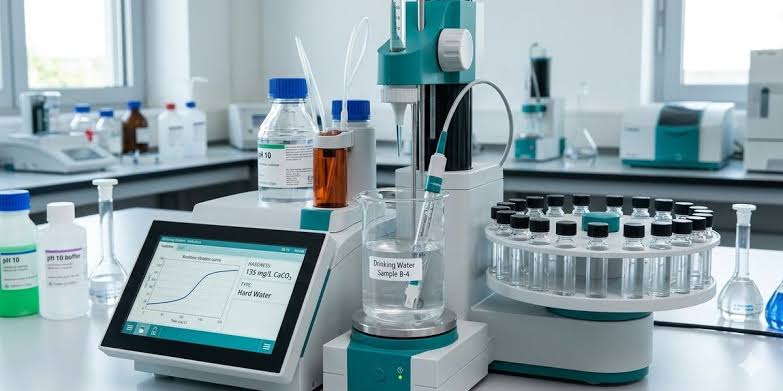
For homeowners experiencing recurring limescale deposits, testing water for hardness and minerals can provide useful information about whether conventional softening or another treatment method would be appropriate.
Excessive hardness can affect soap performance and contribute to mineral accumulation inside appliances that regularly heat water.
However, hardness alone doesn’t establish whether drinking water is safe or unsafe.
Other measurements, including iron concentration and total dissolved solids, may offer additional information about water characteristics.
Understanding these measurements individually matters because different substances require different treatment approaches. A water softener, for instance, performs a very different function from an activated carbon filter.
Looking Beyond Basic Water Quality Concerns
Sometimes, homeowners focus so heavily on visible stains or unpleasant tastes that they overlook other potentially important water quality issues.
A comprehensive residential water quality analysis can help identify a broader range of concerns, depending on the property’s water source and the specific tests performed.
Basic screening provides useful information about certain water characteristics, while appropriately certified laboratories can investigate substances requiring more specialized analysis.
These may include microorganisms, nitrates, lead, and other potentially harmful contaminants.
Private well owners should be particularly mindful of regular testing because groundwater conditions can change over time.
Municipal water customers may also benefit from investigating concerns associated with their household plumbing.
The main objective is to understand the water you’re actually using rather than relying entirely on appearance, taste, or general assumptions.
Matching Treatment Equipment to Your Test Results
Once you understand your water quality, choosing treatment equipment becomes considerably less complicated.
If excessive hardness is the primary concern, conventional ion-exchange softening may help reduce future mineral accumulation.
Sediment filtration can capture certain suspended particles, while activated carbon can reduce specific unwanted tastes, odors, and contaminants.
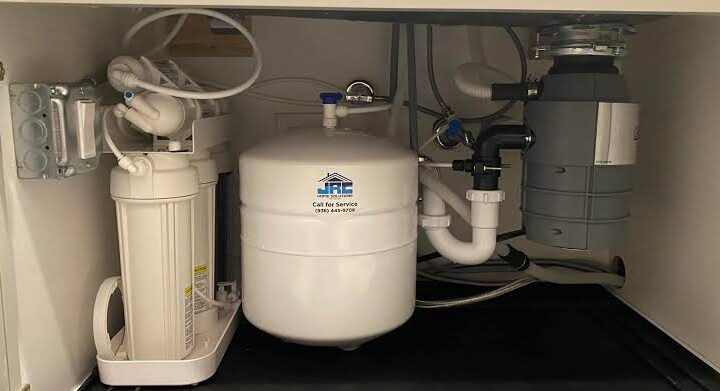
Reverse osmosis may be appropriate when testing identifies particular dissolved substances that membrane filtration is verified to reduce.
Some properties require a combination of treatment technologies. Others may benefit from a relatively simple arrangement.
It’s worth remembering that additional filtration stages aren’t automatically better. Every component should serve a meaningful purpose.
Choosing equipment according to reliable test findings can help prevent unnecessary expenses and simplify future maintenance.
Why Water Testing Isn’t Just a One-Time Responsibility
Water conditions aren’t necessarily permanent. Aging plumbing, changes in groundwater, environmental events, and treatment equipment performance can all influence household water quality.
A test performed several years ago may not accurately reflect current conditions.
Private well owners should establish a regular testing schedule and arrange additional analysis following flooding, well repairs, or significant changes in water characteristics.
Homeowners with existing filtration equipment may also benefit from periodic testing to evaluate treatment performance.
This is particularly important when equipment is intended to reduce potentially harmful contaminants.
Think of it as preventive maintenance, much like inspecting your heating system or servicing your vehicle. A little attention today can help identify concerns before they become more difficult to manage.
Making Your Water Treatment Budget Work Harder
There’s no denying that household expenses can add up quickly. Water treatment equipment, installation, replacement filters, and servicing all require financial consideration.
Testing can help homeowners avoid purchasing unnecessarily complicated equipment.
Before committing to a system, ask about its demonstrated treatment capabilities, expected maintenance requirements, and long-term operating expenses.
Consider whether replacement components are readily available and whether professional assistance can be obtained when needed.
A carefully selected system should address identified concerns without creating an overwhelming maintenance routine.
Sometimes, spending a little more time understanding your water saves considerably more money than searching for the cheapest filtration equipment available.
Better Water Starts With Knowing What You Need
For Burton homeowners, improving water quality begins with asking the right questions and obtaining reliable answers.
Understand your water source, arrange appropriate testing, and select treatment equipment that addresses genuine concerns.
There’s something reassuring about making household decisions based on evidence rather than guesswork.
Whether your goal is fewer mineral deposits, more enjoyable drinking water, or better-informed decisions about your family’s water supply, testing provides a practical foundation.
After all, water touches almost every part of life at home. Understanding it a little better is an investment well worth making.
Home services
Better Water, Better Living: Choosing the Right Treatment for Your Home
Water is part of almost everything we do at home. We use it to make morning tea, wash vegetables, take…

Home services
Professional Removals Brighton and Chelsea: Choosing Between DIY and Professional Help
Not every move justifies hiring a full-service removals company, and not every move should be attempted with a rented van…

Home services
What It Actually Takes to Power a Growing Business Properly
I was talking to a warehouse manager a few months back who told me something that stuck — his facility…