
Reliable Water Treatment Begins With Consistent Care and the Right Service Plan

Key points
Most homeowners don't spend much time thinking about their water treatment system when everything is working properly. The water tastes fine, the shower runs as expected, and there's no obvious mineral buildup around the faucets. Life carries on. Then a filter needs replacing, water pressure changes, or the softener stops doing its job, and suddenly…
Most homeowners don’t spend much time thinking about their water treatment system when everything is working properly. The water tastes fine, the shower runs as expected, and there’s no obvious mineral buildup around the faucets. Life carries on. Then a filter needs replacing, water pressure changes, or the softener stops doing its job, and suddenly that quiet piece of equipment becomes everyone’s concern.
A little preparation can make these situations easier to manage. Water treatment equipment needs attention over time, and knowing what to check, when to arrange professional help, and how to plan for routine expenses can prevent unnecessary stress. The goal isn’t to worry about every small change. It’s to keep the system working as intended and deal with potential problems before they become expensive repairs.
Why Regular Water System Care Matters
Water treatment systems contain components that gradually wear out or lose effectiveness. Filter cartridges collect sediment, carbon media reaches its capacity, and reverse osmosis membranes may become less efficient as they age. Water softeners also need suitable settings, sufficient salt when required, and a properly functioning regeneration cycle.
These changes don’t always happen suddenly. A drinking-water filter may continue to deliver water even after its ability to reduce certain substances has declined. A softener might still operate while mineral deposits slowly begin returning to showerheads and appliances. Without regular checks, it can be difficult to tell whether the equipment is performing as expected.
This is where maintenance schedules become useful. Following the manufacturer’s recommended intervals gives homeowners a practical starting point for replacing filters, inspecting connections, and arranging necessary servicing. The exact timing depends on the equipment, incoming water quality, household usage, and operating conditions, so a schedule should be tailored to the system rather than followed blindly.
Know When Professional Attention Is Needed
Some routine tasks are simple enough for homeowners to handle. Replacing an accessible filter cartridge, checking the salt level in a conventional softener, or recording a change in water flow may be straightforward when the manufacturer provides clear instructions.
Other problems need a closer look. Persistent leaks, unusual equipment noises, repeated error messages, or a sudden change in water quality can have several possible causes. Attempting to fix a problem without understanding it may damage components or create additional plumbing issues.
Professional service visits can help identify the source of a problem and determine which work is actually necessary. A technician may inspect fittings, check operating settings, assess the condition of treatment components, and explain whether a repair or replacement is appropriate. The value of the appointment lies not only in fixing the immediate concern but also in understanding why it happened.
Before arranging a visit, make a note of what you’ve noticed. Has the water pressure changed gradually or all at once? Is the issue affecting every tap or just one? Did the problem begin after a filter change or plumbing repair? These details can help the service team prepare and make the inspection more productive.
What a Useful Service Plan Should Include
A service plan should make equipment ownership more manageable, not add another confusing expense. Providers may offer scheduled inspections, maintenance reminders, troubleshooting assistance, discounts on selected repairs, or preferred appointment booking. The available benefits vary, so it is important to understand the written terms before enrolling.
Start by checking whether the plan matches the type of equipment installed in your home. A household with an under-sink drinking-water filter may need a different level of support from a property with whole-house filtration, a water softener, and a reverse osmosis unit.
Ask which tasks are included and which are billed separately. Filter cartridges, membranes, replacement valves, laboratory water testing, and emergency appointments may not all be covered. Find out whether there are limits on the number of appointments, minimum contract periods, renewal conditions, or cancellation fees.
It’s also worth comparing the cost of a plan with the likely expense of paying for individual appointments. If your system is relatively simple and inexpensive to maintain, a comprehensive package may not offer much additional value. For more complicated equipment, predictable servicing and access to technical advice may be useful.
The best arrangement is one that reflects your actual needs, with benefits you can clearly explain and realistically expect to use.
Water Testing Is Part of the Bigger Picture
A treatment system can only be judged properly when you understand what it is designed to do. If the water has a persistent taste or odor, mineral deposits keep returning, or staining appears around fixtures, don’t automatically assume the filter has failed. The underlying issue may be different from the one the equipment was selected to address.
Water testing can help clarify the situation. Depending on the water source and local concerns, appropriate tests may examine hardness, pH, iron, nitrates, bacteria, or specific contaminants. Municipal water customers can review their supplier’s water-quality report, while private well owners should follow suitable testing guidance for their area.
A basic hardness test, for example, cannot establish whether water is free from bacteria or other health-related contaminants. When safety is a concern, use a suitable testing method, including certified laboratory analysis when appropriate. A service appointment and a water test serve different purposes, and sometimes both are needed.
Once the results are available, ask the provider to explain them in straightforward language. You should understand what the findings mean, whether your existing system is suitable, and what changes—if any—are recommended. Clear information helps you avoid spending money on equipment that doesn’t address the actual problem.
Planning for Costs Without Unpleasant Surprises
Maintenance expenses are easier to manage when you know what to expect. Build a simple record of filter replacement dates, service appointments, parts used, and any recurring issues. This information can help you estimate future costs and identify components that may need attention more frequently than expected.
When comparing service quotes, look beyond the total price. Check whether the estimate includes labor, replacement parts, testing, travel charges, and cleanup where applicable. If additional work becomes necessary, ask for an explanation and an updated estimate before authorizing it, unless an urgent safety issue requires immediate action.
Keep warranty information and equipment manuals somewhere accessible. Some manufacturers specify which replacement parts are suitable and what maintenance is required to preserve warranty coverage. Following those instructions can help avoid preventable disputes later.
Small Habits That Make a Difference
You don’t need to become a water treatment expert to look after your equipment. Pay attention to changes in taste, pressure, or mineral buildup. Keep the area around the system accessible, and avoid storing items where they could interfere with servicing. Replace consumables according to the manufacturer’s guidance rather than waiting until performance noticeably declines.
If the incoming water changes or plumbing work is completed, consider whether the system needs an inspection or fresh testing. A treatment unit that performed well under previous conditions may require adjustment when circumstances change.
These simple habits can contribute to peace of mind, especially when several people depend on the same household water supply. They won’t prevent every malfunction, but they make it easier to spot concerns, ask informed questions, and respond without unnecessary guesswork.
Keep Your System Working for the Long Term
Good water treatment is not a one-time purchase. It is an ongoing process of choosing suitable equipment, following maintenance instructions, checking performance, and seeking professional help when needed.
Take time to understand your system, compare service options, and keep basic records of the work performed. When something changes, investigate the cause instead of replacing equipment based on assumptions. A thoughtful approach can help control costs, support reliable performance, and make everyday water use less complicated.
Ultimately, a useful service plan should fit your home, your budget, and your equipment’s actual requirements. With consistent care and clear information, you can spend less time worrying about the system and more time getting on with the things that matter.
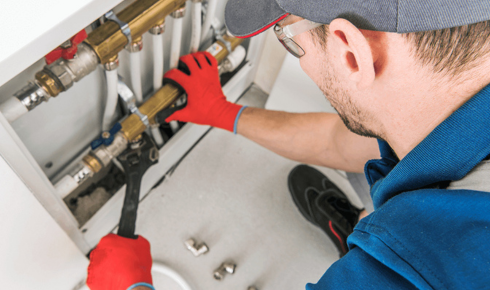
Home services
The Ultimate Guide to Plumbing Upgrades That Boost Home Value in NC
If you’re a homeowner in North Carolina looking to increase property value, plumbing upgrades are one of the smartest investments…
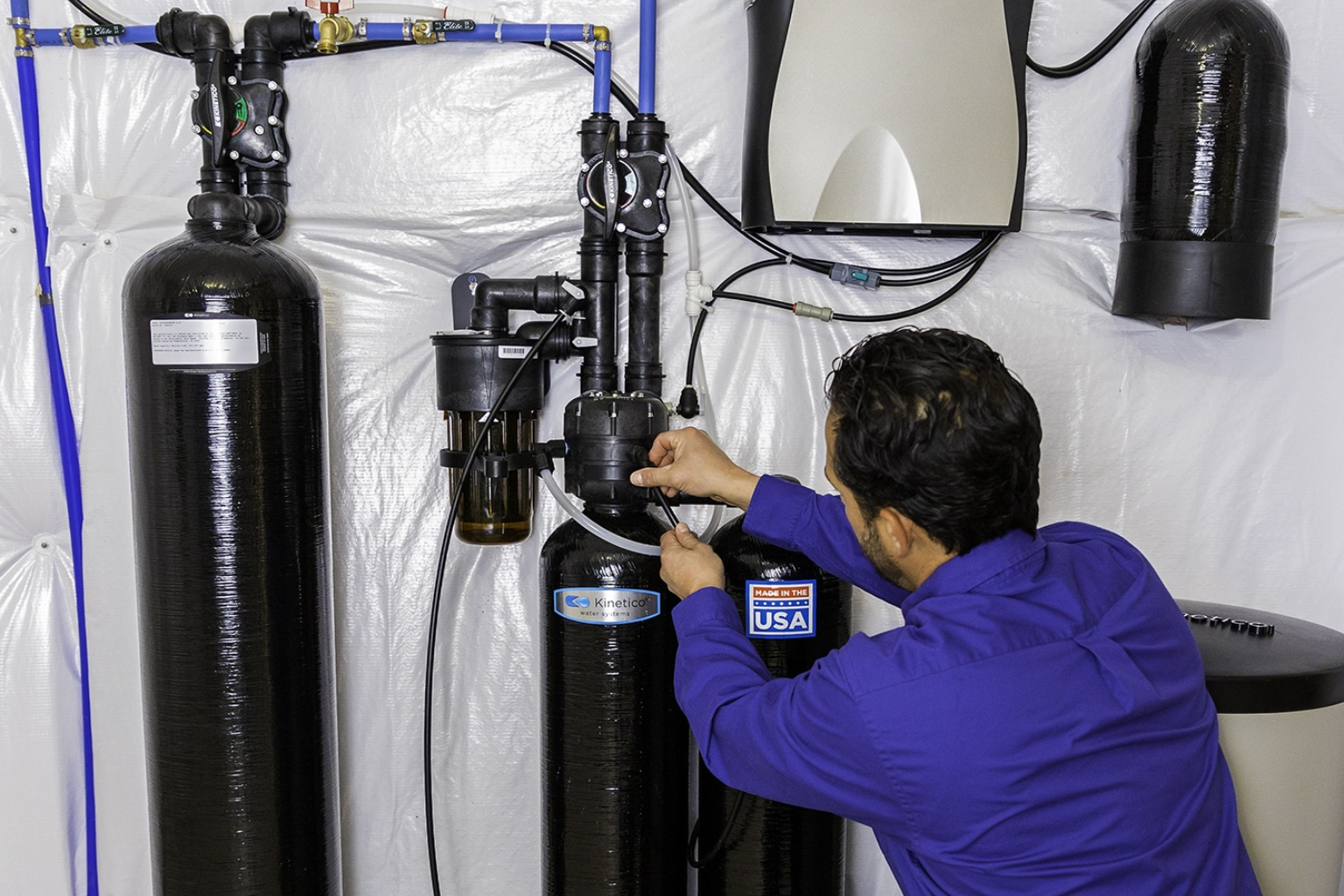
Home services
Understanding Your Brine Tank Without the Guesswork
If you've ever peered into your water softener’s brine tank, scratched your head, and mumbled, “Is this right?”, welcome to…
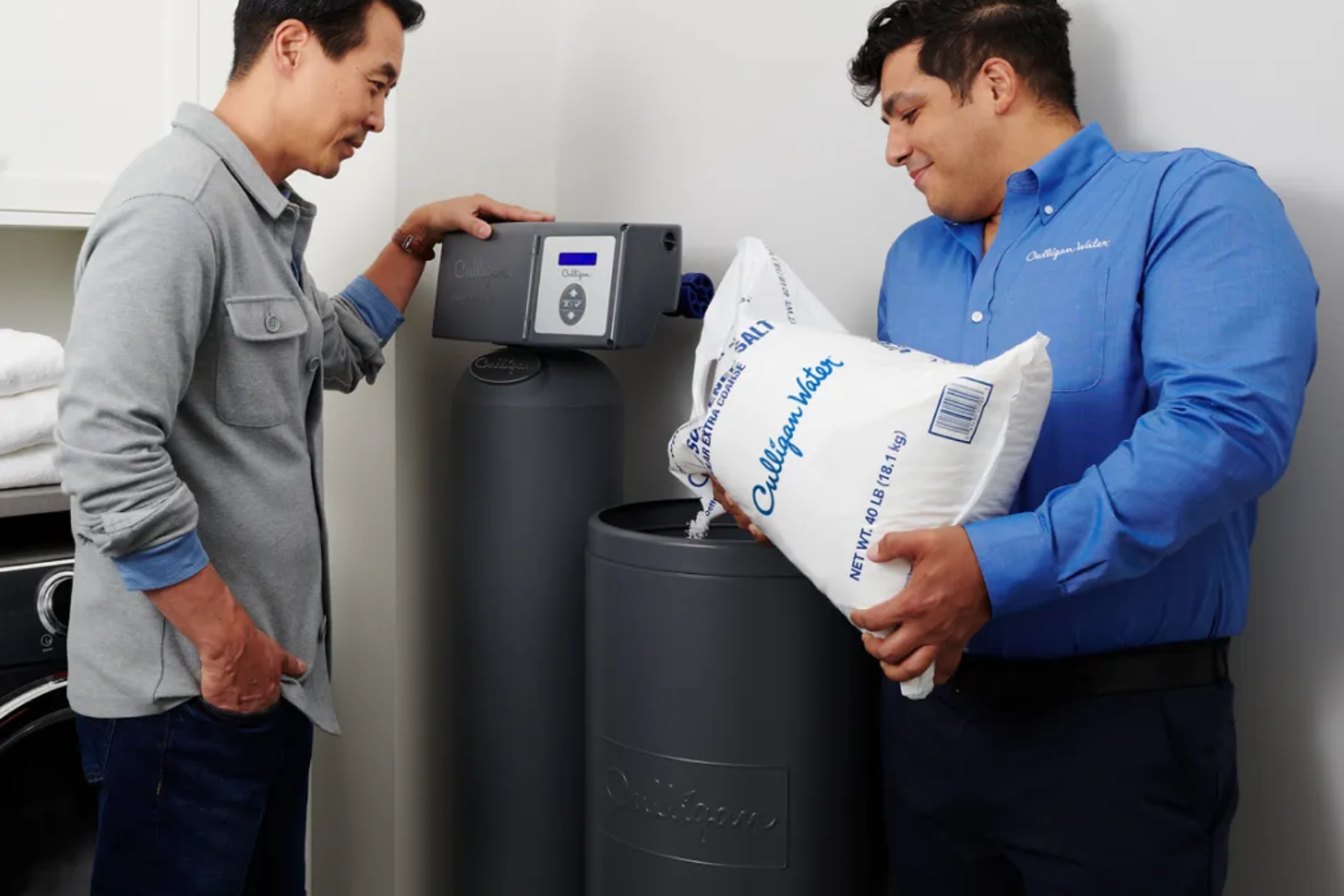
Home services
When Salt Matters More Than You Think: Keeping Your Water Softener Happy Without Lifting a Bag
We don’t talk about salt enough. Not the flaky sea kind you throw on your fries, but the kind that…