
Keeping Your Home Comfortable All Year with Reliable HVAC Care
Key points
A comfortable home is something most of us take for granted until the temperature inside starts going the wrong way. Maybe the living room feels stuffy even though the air conditioner has been running all afternoon. Or perhaps a cold morning arrives, and the heater takes forever to warm up the house. These little frustrations…
A comfortable home is something most of us take for granted until the temperature inside starts going the wrong way. Maybe the living room feels stuffy even though the air conditioner has been running all afternoon. Or perhaps a cold morning arrives, and the heater takes forever to warm up the house. These little frustrations can quickly become bigger problems, especially when the weather outside is at its most extreme.
That’s why looking after your home’s heating and cooling equipment matters. A well-maintained system can make everyday life more comfortable, help manage energy costs, and reduce the chances of an unexpected breakdown. It doesn’t require homeowners to become repair experts, either. Knowing a few basics and recognizing when to call a professional can make a real difference.
Why Your Home’s Comfort System Deserves Attention
Modern heating and cooling equipment does more than change the temperature. It helps maintain indoor comfort, circulates air, and, depending on the system, can assist with humidity control and filtration. When everything works as it should, you may barely notice it. When something goes wrong, however, the effects can be felt throughout the house.
Professional hvac services can help homeowners address these needs, from routine inspections and troubleshooting to equipment installation and repairs. The right service depends on the condition of the system, the home’s layout, and the problems you’re experiencing.
Consider a common situation: one bedroom stays warm while the rest of the house feels comfortable. It might be tempting to assume the air conditioner is failing, but the cause could be a blocked vent, a dirty filter, leaking ductwork, or an airflow imbalance. A proper inspection helps identify the actual issue rather than relying on guesswork.
That distinction matters. Replacing equipment before understanding the problem can be an expensive mistake, and repeatedly ignoring a small issue may allow it to become more serious.
Getting Better Performance from Your Air Conditioner
During hot weather, few household appliances work as hard as the cooling system. Long operating hours, dust, and high outdoor temperatures can put considerable strain on its components. Keeping the equipment clean and arranging regular maintenance can help it perform more consistently.
One of the simplest tasks homeowners can handle is checking the air filter. A clogged filter restricts airflow, which may make the system work harder and reduce its ability to cool the home effectively. Filters don’t all have the same replacement schedule, so follow the manufacturer’s guidance and inspect yours more frequently if you have pets, renovation dust, or other sources of airborne particles.
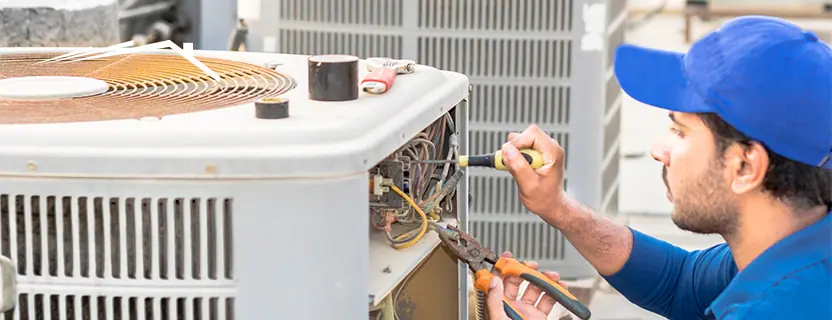
Professional air conditioning maintenance can address problems that aren’t as easy to spot. A technician may inspect the coils, check electrical components, evaluate airflow, and look for signs of refrigerant or drainage issues. These checks are especially worthwhile before the hottest part of the year, when service appointments may be harder to arrange quickly.
There are useful habits that help, too. Close blinds during the sunniest hours, keep outdoor equipment clear of leaves and debris, and make sure supply vents aren’t hidden behind furniture. If your home has a programmable thermostat, use it to match cooling schedules to your daily routine instead of cooling an empty house unnecessarily.
And don’t overlook unusual changes. Warm air from the vents, persistent rattling, water around the indoor unit, or a sudden jump in electricity use can signal that something needs attention. Not every symptom means a major repair, but it’s worth investigating before the problem worsens.
Heating Matters, Even in Warmer Regions
People living in warm climates sometimes pay little attention to their heating equipment. After all, when summer lasts for months, a heater can seem like an afterthought. Then a cold night arrives, the thermostat goes up, and the system refuses to cooperate.
Reliable heating services help keep that situation from catching homeowners off guard. Depending on the equipment, professional care may include furnace inspections, heat pump maintenance, troubleshooting, repairs, or replacement planning.
Before the cooler season begins, it’s sensible to test your heating system rather than waiting until the first genuinely chilly morning. Listen for unfamiliar sounds and pay attention to whether rooms warm up evenly. If you have a heat pump, remember that its operation differs from that of a conventional furnace, so maintenance should follow the manufacturer’s recommendations.
Safety is particularly important with fuel-burning equipment. Carbon monoxide is an invisible, odorless gas that can be dangerous. Install appropriate carbon monoxide alarms according to local requirements and the manufacturer’s instructions, and arrange professional inspections for combustion appliances. If an alarm sounds, leave the building and contact emergency services from a safe location.
Never ignore a suspected gas leak, burning smell, or recurring electrical problem. Turn off equipment when it is safe to do so and seek qualified assistance. A little caution is far better than taking chances with your household’s safety.
Knowing When to Repair and When to Replace
One of the hardest decisions for a homeowner is figuring out whether an older heating or cooling system deserves another repair. There’s no single answer that works for every household. A relatively inexpensive fix may be sensible, while repeated breakdowns and rising operating costs can make replacement worth considering.
Start by looking at the system’s age, repair history, performance, and energy use. Is it struggling to maintain the thermostat setting? Are certain parts failing repeatedly? Has the cost of repairs become difficult to justify? These are useful questions to discuss with a qualified technician.
The size of the replacement system matters just as much as its efficiency rating. Bigger isn’t automatically better. An oversized air conditioner may switch on and off too frequently, while an undersized unit can struggle during extreme weather. Proper sizing requires an assessment of factors such as floor area, insulation, windows, air leakage, and local climate.
It’s also wise to compare the full cost of ownership, not simply the initial purchase price. Installation quality, expected maintenance, warranty coverage, and energy consumption all influence the long-term value of a system.
Ask for a clear explanation of the available options and why each one is being recommended. A trustworthy contractor should be willing to discuss the benefits, limitations, and costs without making you feel pressured into an immediate decision.
Small Habits That Can Reduce Energy Waste
Comfort and efficiency often go hand in hand. You don’t necessarily need expensive upgrades to make your home easier to heat and cool. Sometimes, the best improvements are the least glamorous ones.
Check weatherstripping around exterior doors and windows. Seal suitable gaps where conditioned air escapes, and investigate rooms that consistently feel hotter or colder than the rest of the house. Proper attic insulation can also help reduce heat transfer, particularly in homes exposed to intense summer sunshine.
Use ceiling fans when people are in the room, but remember that fans cool people rather than lowering the actual room temperature. Turn them off when the room is empty. Keep thermostat settings reasonable, and avoid making dramatic adjustments in the hope that the system will heat or cool the house faster.
If energy bills rise unexpectedly, compare your usage with previous months while accounting for changes in weather and household routines. A higher bill doesn’t automatically mean the equipment is faulty, but a sudden, unexplained increase deserves a closer look.
Choosing a Service Professional You Can Trust
When your comfort system needs attention, experience and communication matter. Look for a contractor with appropriate licensing where required, relevant insurance, and a clear explanation of the work being proposed. Written estimates, transparent pricing, and information about warranties can help you compare options fairly.
It’s also reasonable to ask what an inspection includes and whether any recommended repairs are urgent. A good professional should explain the findings in plain language rather than leaving you confused by technical terms.
Ultimately, maintaining a comfortable home isn’t about preventing every possible problem. Equipment wears out, weather changes, and sometimes repairs are unavoidable. The aim is to catch issues early, make informed decisions, and avoid unnecessary stress whenever possible.
With regular attention and dependable professional support, your heating and cooling system can serve your household more effectively through changing seasons. A little care today may save money and frustration tomorrow—and make home feel like the comfortable place it’s meant to be.
Home services
Understanding Your Brine Tank Without the Guesswork
If you've ever peered into your water softener’s brine tank, scratched your head, and mumbled, “Is this right?”, welcome to…
Home services
When Salt Matters More Than You Think: Keeping Your Water Softener Happy Without Lifting a Bag
We don’t talk about salt enough. Not the flaky sea kind you throw on your fries, but the kind that…

Home services
Softening Life’s Hard Edges — Why Clean Water Matters More Than You Think
You don’t notice it right away — the way hard water sneaks into your home and makes everything just a…