
Better Water, Better Living: Choosing the Right Treatment for Your Home
Key points
Water is part of almost everything we do at home. We use it to make morning tea, wash vegetables, take a shower, clean the kitchen, and get through the ordinary routines that keep life moving. Most days, we turn on the tap without giving it much thought. But when water starts leaving white marks on…
Water is part of almost everything we do at home. We use it to make morning tea, wash vegetables, take a shower, clean the kitchen, and get through the ordinary routines that keep life moving. Most days, we turn on the tap without giving it much thought. But when water starts leaving white marks on the faucets, smells unusual, or tastes different from what we’re used to, it’s hard not to wonder what’s going on.
The good news is that many water quality concerns can be addressed with the right approach. The tricky part is knowing where to begin. There are plenty of filters, purification units, and treatment systems on the market, each with its own promises. Rather than buying the most expensive option or following a neighbour’s recommendation, it’s worth understanding your water first.
After all, your home deserves the best water, and that starts with making an informed decision rather than guessing.
What Is Really in Your Water?
Water quality can vary from one property to another, even within the same neighbourhood. The source, local geology, plumbing materials, and treatment processes can all influence what comes out of your tap. Municipal supplies are generally treated and monitored, but mineral content and other characteristics may still vary. Private wells can be affected by seasonal changes, nearby agricultural activity, and conditions underground.
Some problems are easy to spot. Hard water, which contains higher levels of calcium and magnesium, can leave chalky deposits around taps and showerheads. It may also make soap harder to lather and contribute to scale inside water heaters. Iron can cause rusty stains, while certain sulfur compounds may create an unpleasant smell.
Other concerns are less obvious. Some contaminants cannot be detected by sight, smell, or taste, so clear water should not automatically be considered safe. Testing can help identify relevant issues and establish whether treatment is needed.
A basic assessment may include hardness and pH, while more specific tests can check for substances such as iron, nitrates, certain metals, or microorganisms. The appropriate tests depend on your water source and local risks. If drinking-water safety is a concern, use a suitable testing service or qualified laboratory rather than relying only on a simple demonstration test.
Understanding Water Softeners
Hard water is more than a cosmetic nuisance. Over time, mineral deposits can build up inside pipes, kettles, washing machines, and water heaters. You might notice cloudy shower screens, stiff laundry, or a crusty ring around a frequently used faucet. Cleaning helps, but the deposits tend to return if the underlying hardness remains.
For households dealing with these issues, water softeners may offer a practical solution. Conventional ion-exchange softeners reduce calcium and magnesium by exchanging them for sodium or potassium ions. This helps limit scale formation and can improve the way soap and detergent perform.
The benefits depend on the hardness level and how the system is sized and maintained. Less scale may help protect plumbing fixtures and heating equipment, but a softener should not be treated as a complete purification system. It generally does not remove microorganisms or every dissolved contaminant.
It’s also worth considering how a softener fits your household. Sodium-based systems add some sodium to the treated water, which may matter to people following certain medical or dietary recommendations. A qualified water treatment professional can explain suitable options based on your test results and daily water use.
Cleaner Drinking Water With Reverse Osmosis
Sometimes the main concern is not the water used for bathing or laundry, but the water you drink and cook with. Perhaps the taste is unpleasant, or testing has identified dissolved substances that need to be reduced. In those situations, a dedicated drinking-water system may make sense.
Reverse osmosis drinking water systems use pressure to push water through a semipermeable membrane. The membrane allows water to pass while rejecting much of the dissolved material, which leaves through a separate wastewater stream. Depending on the model and operating conditions, reverse osmosis can reduce certain dissolved salts, metals, and other contaminants.
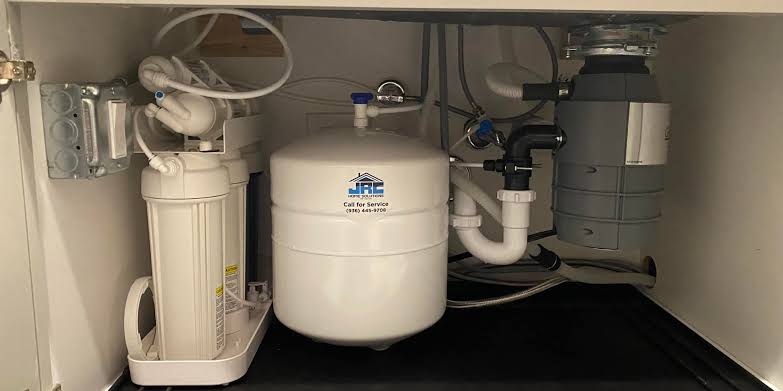
Many systems fit beneath a kitchen sink and provide treated water through a separate faucet. Some combine sediment and carbon filters with the membrane, creating several treatment stages in one compact unit.
Still, no system should be assumed to remove everything. Check the product’s independently verified performance claims for the specific substances you want to address. Maintenance matters as well: pre-filters, post-filters, and membranes need replacement at the intervals recommended by the manufacturer. Since these units produce wastewater, comparing water efficiency between models is sensible too.
When Filtration Is the Better Choice
Not every water concern requires a softener or reverse osmosis. A targeted filter may be enough when the problem is limited to sediment, certain tastes, or particular substances.
Sediment filters capture suspended particles, while activated carbon can improve some tastes and odors. Specialized filter media may reduce iron, manganese, or other substances when the water conditions and system design are appropriate. The important point is to match the technology to the problem.
A standard carbon filter, for example, should not be relied upon to make water contaminated with harmful microorganisms safe to drink. Likewise, a sediment cartridge will not remove dissolved salts simply because the water looks clearer after filtration.
Look for clear performance information and relevant independent certification. A filter certified for reducing chlorine or improving taste may not be certified for reducing lead, arsenic, or other contaminants. Read the details carefully, and remember that filters have a limited service life.
Whole-House Treatment or One Tap?
The right setup also depends on where treatment is needed. Whole-house systems treat water as it enters the property, making them useful when a confirmed issue affects showers, laundry, plumbing, or appliances. Point-of-use systems focus on a particular outlet, often the kitchen tap used for drinking and cooking.
Some households benefit from combining technologies. A home with significant hardness and a separate drinking-water concern might use a softener for general household water and a certified drinking-water filter at the kitchen sink. Another property may need only a simple, well-matched filtration unit.
More equipment does not automatically mean better water. Every extra component adds installation costs, replacement parts, and maintenance tasks. Start with the test results, then choose the smallest practical arrangement that addresses the identified concerns.
Maintenance Keeps the System Working
Water treatment equipment needs regular attention. Filters must be changed, softeners may need salt or servicing, and plumbing connections should be checked for leaks. If maintenance is ignored, performance can decline even when the original system was suitable.
Before purchasing, ask about the cost and availability of replacement parts, the recommended service schedule, and the expected running expenses. Keep a simple record of filter changes and service visits. If the water develops a new smell, changes colour, or tastes noticeably different, investigate rather than assuming the treatment system will fix it.
Private well owners should continue testing their source even after installing equipment. Treatment reduces selected contaminants; it does not remove the need to monitor water quality.
Make a Choice That Fits Your Home
Good water treatment begins with understanding what needs to change. Test the water, compare appropriate technologies, check verified performance claims, and consider the cost of installation and long-term maintenance. Ask questions until you understand what each component does and what it cannot do.
The best system isn’t necessarily the largest or most advanced. It’s the one suited to your water, your household, and your budget. With a little research and a sensible plan, you can make daily routines easier, help protect household equipment, and feel more confident about the water you use every day.
Sometimes, the most valuable first step is also the simplest: find out what’s in your water before deciding what to do about it.
Home services
Understanding Your Brine Tank Without the Guesswork
If you've ever peered into your water softener’s brine tank, scratched your head, and mumbled, “Is this right?”, welcome to…
Home services
When Salt Matters More Than You Think: Keeping Your Water Softener Happy Without Lifting a Bag
We don’t talk about salt enough. Not the flaky sea kind you throw on your fries, but the kind that…

Home services
Softening Life’s Hard Edges — Why Clean Water Matters More Than You Think
You don’t notice it right away — the way hard water sneaks into your home and makes everything just a…