
Making Sense of Your Home’s Water: From Quality Testing to the Right Treatment
Key points
Water is part of nearly everything we do at home. We use it to cook meals, wash clothes, clean dishes, shower, and make a cup of tea before the day gets going. Because it is such an ordinary part of life, we rarely stop to think about what's actually flowing through our taps. That changes…
Water is part of nearly everything we do at home. We use it to cook meals, wash clothes, clean dishes, shower, and make a cup of tea before the day gets going. Because it is such an ordinary part of life, we rarely stop to think about what’s actually flowing through our taps.
That changes when the showerhead becomes clogged with white deposits, glasses come out of the dishwasher looking cloudy, or the water develops an unusual taste. These signs can be frustrating, but they also offer a reason to take a closer look at your household water supply.
The good news is that understanding your water doesn’t have to be complicated. A little testing, some basic knowledge, and the right equipment can help you address common issues without spending money on solutions you don’t need.
Why Understanding Your Water Matters
Water quality can vary significantly from one home to another, even within the same neighborhood. Municipal supplies are treated and monitored according to applicable requirements, but the water’s characteristics can still be influenced by local mineral content, distribution pipes, and plumbing inside the property. Homes using private wells face additional considerations because the source may be affected by local geology, rainfall, agricultural activity, or nearby land use.
Good water quality is about more than whether water looks clear. Dissolved minerals may be invisible, while certain contaminants cannot be detected reliably through taste or smell alone. At the same time, visible deposits don’t automatically mean water is unsafe to drink.
For example, calcium and magnesium can create hardness, leaving scale on faucets and inside appliances. Iron may cause orange or brown stains, while sediment can make water appear cloudy or leave particles in a glass. Each issue has a different cause, which means each may require a different response.
Rather than guessing based on appearance, begin by identifying the symptoms and arranging appropriate testing. This gives you a much clearer picture of what needs attention.
Common Household Water Problems
Hard water is one of the most familiar issues homeowners encounter. It contains elevated levels of dissolved calcium and magnesium, which can combine to form mineral deposits when water evaporates or is heated. Over time, those deposits may collect on shower doors, kettle elements, water heaters, and plumbing fixtures.
Some people also notice that soap doesn’t lather as easily or that laundry feels less soft after washing. These effects can make routine cleaning more time-consuming, even when the water is otherwise suitable for household use.
Iron presents a different challenge. Depending on its form and concentration, it can create reddish-brown stains on sinks, toilets, and clothing. In certain situations, water may appear clear at first and develop a rusty color after standing.
Sediment is another concern, particularly for properties that rely on private wells or older plumbing systems. Sand, silt, and other particles can clog faucet aerators, affect valves, and interfere with treatment equipment.
Then there are concerns that aren’t visible at all. Depending on the water source and local risks, testing may be needed for microorganisms, nitrates, lead, arsenic, or other contaminants. The appropriate tests depend on the location, source, and circumstances of the property.
How Water Testing Helps You Make Better Decisions
Before choosing equipment, find out what is actually in your water. A basic water test can measure characteristics such as hardness, pH, and certain minerals. More comprehensive laboratory testing may be necessary when you suspect specific contaminants or need reliable results for drinking-water safety.
Homeowners using municipal supplies can review their water provider’s quality report and consider additional testing if they notice changes or have concerns about their household plumbing. Private well owners should arrange regular testing through a qualified laboratory, following local public health recommendations.
Be clear about the problem when requesting a test. If you have reddish stains, explain where they appear and whether the discoloration affects every tap. If your water has an unusual smell, mention whether it occurs with hot water, cold water, or both. These details can help determine which tests are appropriate.
It’s also worth understanding the limitations of a screening test. A simple hardness test won’t tell you whether water contains harmful bacteria, and a general mineral analysis may not identify every chemical contaminant. If a health concern is suspected, choose testing designed specifically to assess that risk.
Accurate results help prevent a common mistake: purchasing a filter or softener that doesn’t address the actual problem.
When Water Softener Systems Make Sense
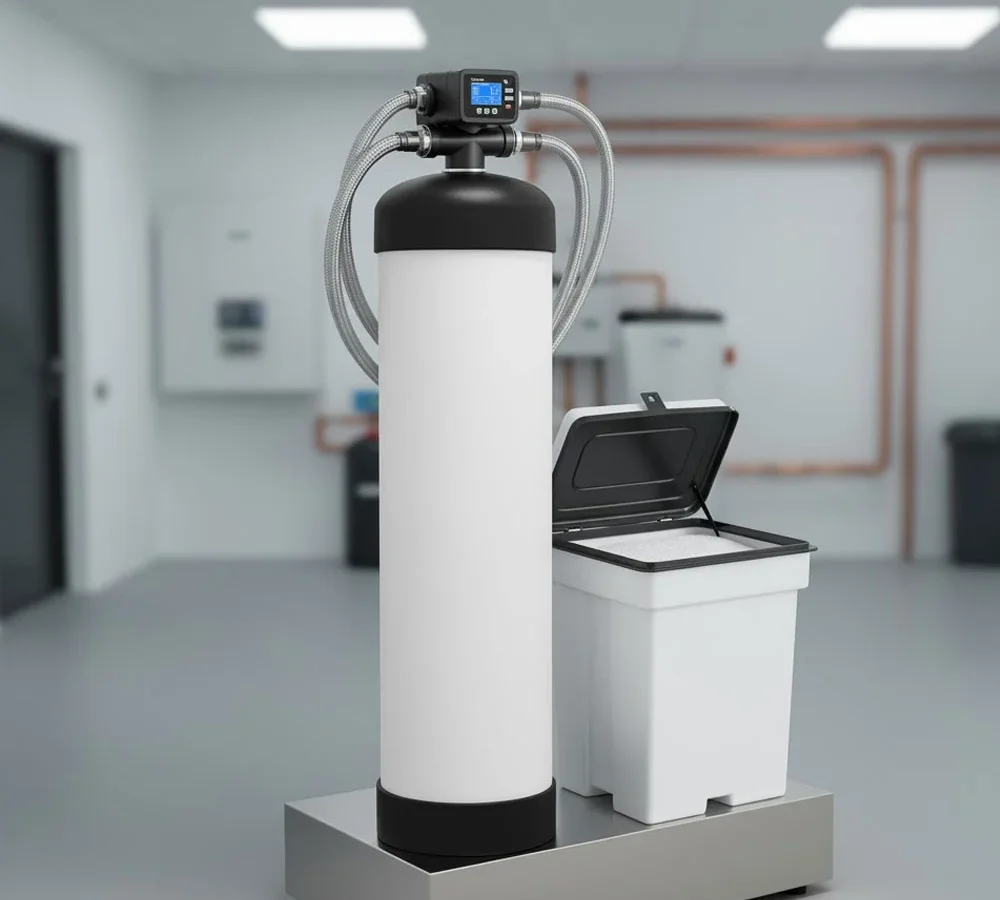
If testing confirms that hard water is causing persistent scale buildup, water softener systems may be worth considering. Conventional ion-exchange systems work by removing calcium and magnesium ions and replacing them with sodium or potassium ions.
This process can reduce mineral scale inside plumbing and water-using appliances. Many households also find that softened water makes bathing and cleaning more convenient because soap can work more effectively under suitable conditions.
However, a softener isn’t the right answer to every water issue. It generally doesn’t remove bacteria, viruses, or all dissolved chemicals. If your water contains iron, sediment, or another contaminant, you may need a different treatment method or a combination of technologies.
System size matters, too. A unit should be selected according to the measured hardness, household water consumption, peak demand, and regeneration requirements. An undersized system may struggle to keep up, while an oversized unit can add unnecessary costs.
Consider ongoing expenses before making a decision. Salt or potassium, replacement parts, servicing, water consumption during regeneration, and installation all contribute to the long-term cost. Ask the supplier to explain these details rather than focusing only on the initial purchase price.
Choosing the Right Water Treatment Approach
Effective water treatment starts with matching a solution to a specific problem. Sediment filters capture particles, carbon filters can reduce certain substances affecting taste and odor, and softeners address hardness minerals. Reverse osmosis can reduce many dissolved substances, while ultraviolet disinfection can help control susceptible microorganisms when the system is properly designed and maintained.
These technologies aren’t interchangeable. A sediment filter may remove visible particles but won’t necessarily remove dissolved iron. A carbon filter can improve certain taste and odor problems without making microbiologically unsafe water safe to drink. Reverse osmosis may be useful for particular contaminants, but it requires suitable installation, maintenance, and management of wastewater.
Some homes benefit from more than one stage of treatment. For instance, water with substantial sediment may require pretreatment before it passes through a finer filtration system. Water containing particular forms of iron may need oxidation followed by filtration.
Ask providers to explain why they recommend a particular system, what it is certified to reduce, and which maintenance tasks are required. Look for performance claims supported by relevant test data or independent certification where available.
A reliable recommendation should make sense in relation to your test results, not simply offer the most expensive equipment.
Maintaining Your System After Installation
Even a well-chosen system needs regular care. Filters eventually collect particles, softeners require checks on salt levels and settings, and reverse osmosis membranes need monitoring according to the manufacturer’s instructions. Neglecting maintenance can reduce performance and create problems that might otherwise have been avoided.
Keep a record of installation dates, filter replacements, service visits, and changes in water quality. This simple habit makes it easier to recognize patterns and schedule maintenance before performance declines.
If your household relies on a private well, continue testing the untreated source at recommended intervals, even when a treatment system is installed. Treatment equipment is not a substitute for monitoring the water supply itself.
Watch for changes in pressure, unusual odors, leaks, or a sudden return of staining and deposits. These signs may indicate that equipment needs servicing or that conditions in the source have changed.
A Smarter Way to Care for Your Water
Good household water management begins with curiosity rather than guesswork. Notice what’s happening, learn about your water source, and use appropriate testing to distinguish everyday mineral problems from issues that need more attention.
Not every home requires an elaborate treatment setup. Sometimes, routine maintenance is enough. In other cases, a properly selected softener, filter, or combination system can make a meaningful difference.
The most useful investment is one that addresses a real need and continues to perform reliably over time. When you understand your water and maintain the equipment responsible for treating it, everyday tasks become easier, appliances receive better care, and you can make decisions with greater confidence.

Home services
The Types of Rocks for Sale Best for Landscaping
Solid landscaping begins below the surface. The type of stone used under a patio, driveway, or walkway determines how well…

Home services
The Ultimate Guide to Plumbing Upgrades That Boost Home Value in NC
If you’re a homeowner in North Carolina looking to increase property value, plumbing upgrades are one of the smartest investments…
Home services
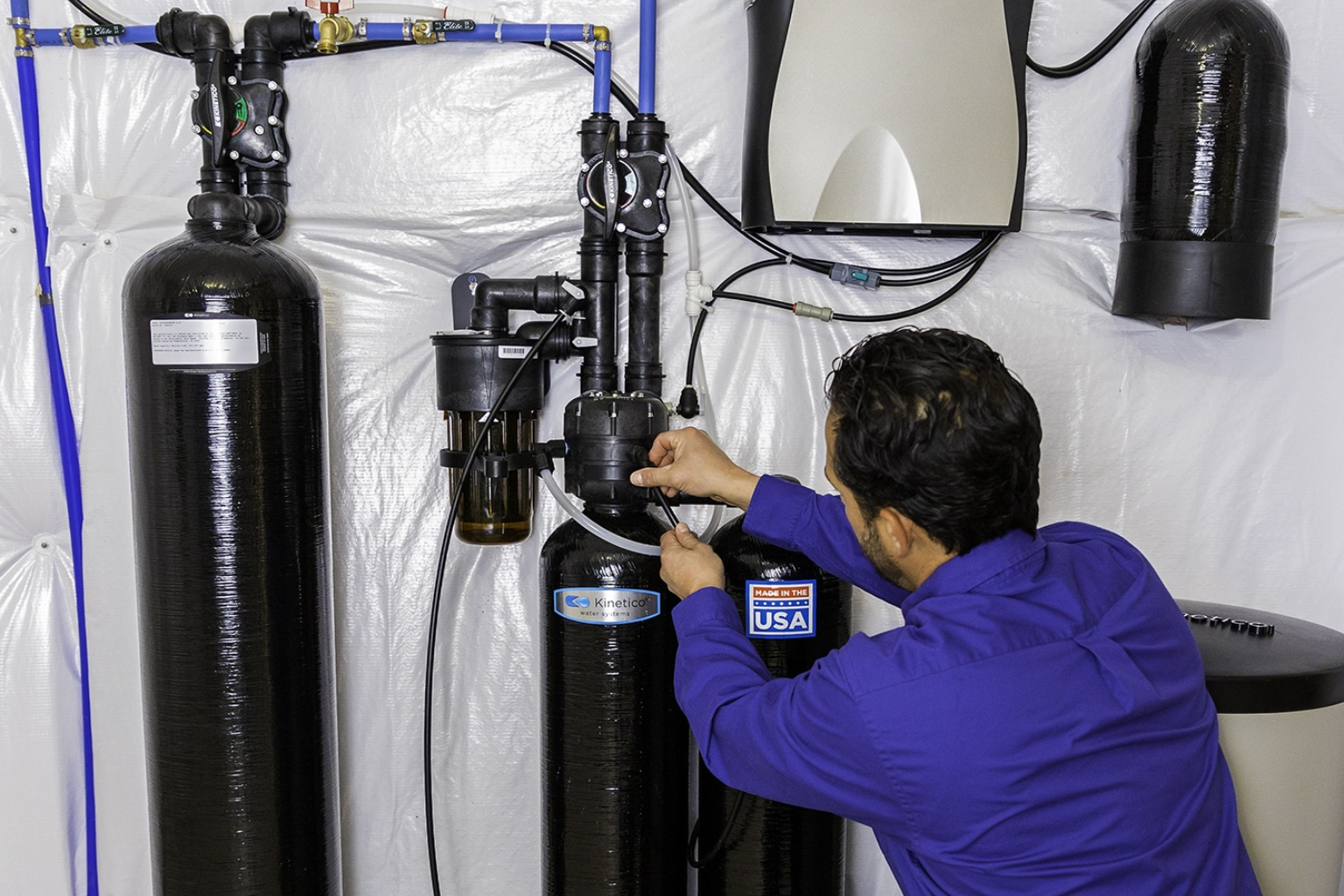
Understanding Your Brine Tank Without the Guesswork
If you've ever peered into your water softener’s brine tank, scratched your head, and mumbled, “Is this right?”, welcome to…