
Gold Lockets, Pendants and Kadas: Building a Versatile Jewellery Collection
Most Indian households own more gold than they wear. Heavy bridal sets sit in lockers for eleven months a year, while daily attire goes unadorned. A versatile everyday collection solves this imbalance — spreading investment across pieces that move easily between office wear, festive occasions and family gatherings.
Start with Pieces Worn at Least Weekly
The foundation of a working collection is simple: ornaments used consistently. A slim gold chain, a pair of small everyday earrings and one wrist piece form the functional core. From there, the collection grows through modular pieces — ornaments that change character depending on what they are combined with. This layering philosophy is what separates a collection that lives in your daily life from one that gathers dust.
The Pendant: Most Versatile Category per Rupee
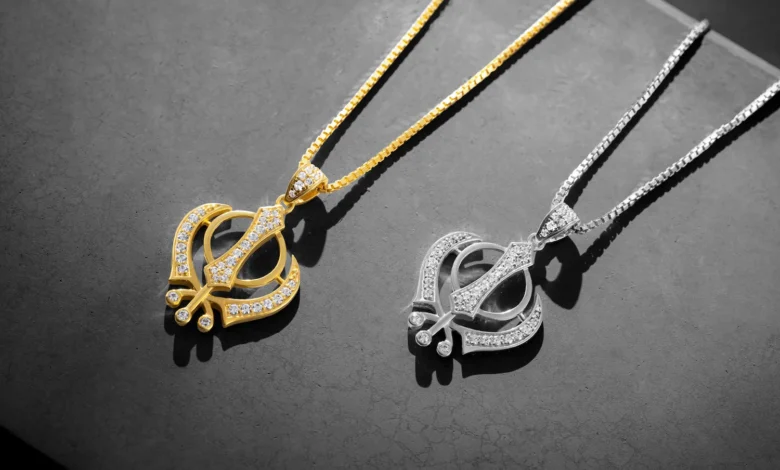
A single chain can carry a deity locket to the temple, a minimalist geometric pendant to the office and an ornate traditional piece to a wedding reception — simply by changing what hangs from it. Exploring a range of gold locket and pendant designs reveals how wide this category runs: Ganesha and Om motifs prized as protective talismans, contemporary geometric forms that complement western workwear, and floral or paisley styles suited to ethnic occasions. Favour sturdy bails and smooth backs that sit comfortably against the skin when selecting daily-wear pieces.
The Kada: One Bangle, Every Setting
If a single wrist ornament could serve an entire wardrobe, it would be the kada. A classic gold kada in a plain or lightly ridged finish moves seamlessly from a cotton saree to a business blazer, suits every age, and works equally well for men and women. Choose a weight that is comfortable all day — fifteen to thirty grams for most daily wearers — and verify the diameter fits your wrist before purchase. A fixed-diameter kada that slips on easily is preferable to an opening type for daily wear, as the joint wears over time.
Layerable Chains and Smart Documentation
Two or three chains in different lengths — sixteen, twenty and twenty-four inches — unlock layered styling while ensuring every pendant in the collection has a suitable carrier. Classic link patterns such as cable, rope and wheat outlast novelty designs and withstand daily wear. For all purchases, insist on BIS-hallmarked gold and keep documented invoices. Jewellers such as Waman Hari Pethe Sons provide transparent billing and established exchange policies, which matter greatly when a collection is built gradually over years.
For ears, a pair of plain gold studs covers daily wear while one pair of jhumkas or chandbalis handles festivals and weddings. For rings, a slim daily band paired with one occasion piece follows the same logic. The guiding principle across every category is identical: buy fewer pieces, but make each one earn its place across at least three settings in your wardrobe.
Conclusion
A versatile gold collection is built with intention: daily staples first, modular lockets and pendants next, a dependable kada on the wrist and layerable chains to tie everything together. Buy hallmarked pieces from a jeweller you can return to for decades, and your gold will live in your daily life rather than a locker.