
Effective Decommissioning Strategies for the Lapstone Tunnel Project
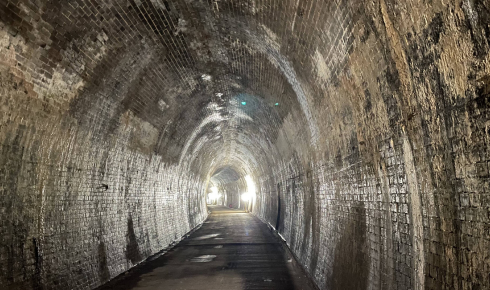
Professional decommissioning and tunnelling services are the backbone of successful construction, development, and land management projects across Sydney and surrounding regions. Whether you are preparing a residential block for building, clearing vegetation for bushfire safety, or undertaking large-scale civil works, the quality of your groundwork determines the success of everything that follows. Cutting corners at the foundation stage inevitably leads to complications and additional costs downstream.
In this comprehensive guide, we examine the essential aspects of decommissioning and tunnelling, what to look for in a service provider, and how expert solutions deliver value at every stage of your project. To explore a full range of professional services tailored to your needs, visit https://hillcrestexcavations.au/decommissioning-lapstone-tunnel/ and discover how experienced professionals can transform your project outcomes from start to finish.
Why Professional Decommissioning and tunnelling Services Matter
Decommissioning and tunnelling is far more complex than it appears on the surface. What seems like a straightforward task — removing earth, clearing land, or preparing a site — actually involves careful planning, specialised equipment, environmental considerations, and strict compliance with local, state, and federal regulations. Amateur or poorly executed work can lead to structural instability, environmental damage, costly delays, safety incidents, and legal complications that far exceed the cost of doing it right the first time.
Professional decommissioning and tunnelling providers bring a combination of technical expertise, industry-grade equipment, and comprehensive regulatory knowledge that ensures your project is completed safely, efficiently, and to the highest standards. This expertise is particularly critical across Sydney and surrounding regions, where local soil conditions, topography, drainage patterns, and council requirements demand specialised approaches that general contractors may not possess.
Essential Qualities of a Reliable Service Provider
- Experience and Track Record: Look for providers with a proven history of successful projects in your local area. Experience with local soil conditions, drainage patterns, geological features, and council requirements is invaluable and cannot be replicated by providers unfamiliar with the region.
- Proper Licensing and Insurance: All excavation and earthworks providers in New South Wales must hold appropriate licences and carry comprehensive insurance including public liability and workers compensation. Verify these credentials before engaging any contractor.
- Modern Equipment Fleet: Quality outcomes depend on having the right machinery for the job. A well-maintained fleet of excavators, loaders, trucks, and specialist attachments ensures efficiency, precision, and the ability to handle unexpected site conditions.
- Environmental Compliance: Responsible providers understand and adhere to environmental protection regulations, including sediment and erosion control, tree protection orders, waterway management, and contaminated land requirements.
- Clear Communication: Professional providers keep you informed throughout the project with regular updates, transparent pricing, detailed scope documentation, and proactive problem-solving when challenges arise.
The Decommissioning and tunnelling Process: What to Expect
Understanding the typical process helps you plan effectively and set realistic expectations for your project timeline, budget, and outcomes. Each phase builds upon the last, and thorough execution at every stage is essential for overall project success.
- Initial Site Assessment: A thorough evaluation of your site including soil testing, geotechnical investigation, survey review, utility identification through Dial Before You Dig, and assessment of access constraints and neighbouring property considerations.
- Council and Regulatory Approvals: Depending on the scope of work, development applications, construction certificates, environmental permits, or bushfire assessments may be required. Your provider should guide you through this process and manage submissions on your behalf.
- Site Setup and Safety: Establishing site fencing, safety signage, sediment and erosion controls, dust suppression measures, and designated safety zones before any physical work commences on site.
- Execution: The actual excavation, clearing, or earthworks phase, carried out according to engineered plans, specifications, and quality management procedures with regular inspections and progress reporting.
- Site Clean-Up and Handover: Removal of excess material, final grading and compaction, compaction testing and certification, restoration of disturbed areas, and comprehensive handover documentation for the next stage of your project.
Key Considerations for Projects across Sydney and surrounding regions
Every location presents unique challenges, and the area across Sydney and surrounding regions is no exception. Local factors such as soil composition, rock presence, water table depth, neighbouring properties, heritage considerations, environmental sensitivities, and access limitations all influence the approach required for successful decommissioning and tunnelling. Understanding these factors before work commences is essential for accurate budgeting and realistic scheduling.
Local council regulations also vary significantly and can have substantial implications for project timelines and costs. From development application requirements to tree preservation orders, heritage overlays, and environmental impact assessments, understanding the regulatory landscape is essential for avoiding costly delays, compliance issues, and potential enforcement actions.
Soil and Terrain Considerations
The Sydney basin and surrounding areas feature a diverse range of soil types — from expansive clay and shale in western suburbs to sandstone formations in the Blue Mountains and northern regions, and sandy soils in coastal areas. Each soil type requires different excavation techniques, drainage solutions, retention strategies, and foundation preparation methods. An experienced local provider understands these nuances intimately and can adapt their approach accordingly, saving time and reducing risk.
Safety Standards and Risk Management
Safety is the non-negotiable foundation of any decommissioning and tunnelling project. The excavation and earthworks industry carries inherent risks including cave-ins, equipment accidents, underground service strikes, environmental incidents, and exposure to hazardous materials. Professional providers mitigate these risks through comprehensive safety management systems, regular training programmes, incident reporting protocols, and strict adherence to SafeWork NSW guidelines and the WHS Act.
- Dial Before You Dig: All underground services including gas, electricity, water, telecommunications, and sewer must be identified and marked before excavation commences. This protects workers, prevents service disruptions, and avoids costly damage claims.
- Trench Safety: Appropriate shoring, battering, or benching techniques must be used for all trenches and excavations deeper than 1.5 metres to prevent cave-ins and protect workers from entrapment.
- Traffic Management: Projects near roads, footpaths, or public areas require traffic management plans prepared by qualified professionals to protect workers, pedestrians, and the general public.
- Environmental Controls: Sediment fences, silt traps, dust suppression measures, and noise management strategies protect waterways, air quality, and neighbouring properties during works.
Cost Factors and Getting Accurate Quotes
The cost of decommissioning and tunnelling services varies significantly based on project scope, site conditions, access constraints, disposal requirements, permit fees, and the complexity of regulatory compliance. Obtaining accurate quotes requires providing detailed information about your project to potential providers, including survey plans, geotechnical reports, and council requirements.
When comparing quotes, look beyond the headline price and examine the detail. Consider what is included — site setup, soil testing, disposal fees, compaction testing, environmental management, and clean-up can add significantly to the total cost if not included in the initial quote. A transparent provider will itemise all costs clearly and explain any potential variations or provisional sums upfront.
Conclusion: Choose Experience, Choose Quality
The success of your construction or development project across Sydney and surrounding regions begins with the groundwork — quite literally. Professional decommissioning and tunnelling services ensure that your site is prepared correctly, safely, and in full compliance with all relevant regulations, setting a solid stage for everything that follows. Investing in quality groundwork is investing in the long-term success of your entire project.
Do not underestimate the importance of choosing the right decommissioning and tunnelling partner. Look for experience, professionalism, proper licensing, comprehensive insurance, and a demonstrated commitment to safety and quality. The right provider does not just move earth — they move your project forward with confidence, precision, and the assurance that the job has been done right.