Cheap Flight Ticket Myths Singaporeans Need to Stop Believing

Singapore has a well-traveled population and a strong community of people who share travel tips, deals, and hacks. But alongside genuinely useful advice, a number of persistent myths about flight pricing have embedded themselves in conventional wisdom in ways that lead travelers astray. Some of these myths cause Singaporeans to overpay for flights. Others cause them to miss genuinely good opportunities while waiting for a deal that may never come. Examining the most common Cheap Flight Ticket myths and testing them against reality can help you build a more accurate mental model of how flight pricing actually works.
## Myth One: Prices Always Drop Closer to Departure
Many Singaporeans hold the belief that waiting until the last minute will eventually reveal cheap prices as airlines try to fill empty seats. This was more true historically, but modern revenue management systems have largely reversed this dynamic. For popular routes during peak periods, prices almost universally increase as departure approaches and remaining inventory tightens. Last-minute Cheap Flight Ticket prices are now the exception rather than the rule, mainly occurring on low-demand routes or during specific off-peak periods when aircraft genuinely struggle to fill. For most situations, booking ahead at a reasonable price is more reliable than gambling on a late-stage drop.
## Myth Two: Tuesdays Are Always the Cheapest Day to Buy
The idea that Tuesday is the magic day for flight searches circulates widely and has some historical basis in the old airline pricing cycle, where fare updates were processed overnight on Tuesdays. Modern airline pricing is now dynamic and updates in real time based on demand algorithms, so no single day of the week reliably delivers the cheapest prices universally. There is some evidence that midweek searches occasionally surface slightly lower prices than weekend searches due to lower search volume, but this is a modest and inconsistent effect rather than a reliable rule. Applying your search uniformly across multiple days and times is more likely to catch good prices than fixating on a specific day.
## Myth Three: Incognito Mode Gives You Lower Prices
The belief that airlines and booking platforms track your search history and raise prices when you revisit has spread widely among Singapore’s tech-aware travel community. While dynamic pricing is real, the evidence that incognito browsing consistently delivers lower prices is weak. Airline pricing is largely route-based and demand-driven rather than browser session-based. Fares change based on how many seats have sold at each price point, not because a server recognized your cookie. Switching to incognito occasionally as a cross-check is harmless, but basing your entire booking strategy on incognito mode as a price-beating tool is more ritual than strategy.
## Myth Four: Cheap Flights Are Always a Bad Experience
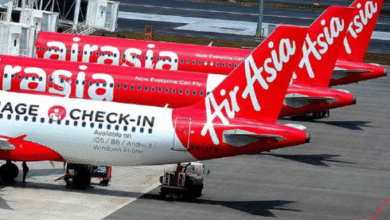
Some Singaporean travelers resist budget carriers because they equate a low price with a poor journey. In reality, budget carrier experiences on short to medium-haul flights have improved considerably. A two-and-a-half-hour Scoot flight to Bali or a six-hour Jetstar flight to Melbourne is not the same as a transatlantic budget experience. On routes where the flight duration is short, the absence of a free meal and a slightly tighter seat pitch are easy to tolerate in exchange for a Cheap Flight Ticket that saves you real money. Applying the budget carrier reluctance to a three-hour regional hop is often an overcorrection driven by a generalized attitude rather than a route-specific assessment.
## Myth Five: Connecting Flights Are Always Cheaper
While connecting flights can be cheaper, this is not universal, and the assumption that a stopover automatically means a lower fare is sometimes wrong. On competitive routes with many direct carriers, the direct service occasionally undercuts a connection, particularly during promotional periods. The total cost of a connection also needs to include the value of additional transit time, the risk of missed connections and associated costs, and sometimes transit visa requirements. A Cheap Flight Ticket that involves an inconvenient eight-hour layover at a difficult airport may not be cheap when total cost and experience are considered. Always compare direct and connecting options on their full merits rather than assuming one is inherently cheaper.
Clearing these myths from your mental model of flight pricing makes you a more effective and less frustrated traveler. Singapore’s flight market is competitive and well-stocked with genuine opportunities for those who search with accurate expectations and good timing.