
Wrong Transaction or Fraud Transaction? How to Act Fast and Protect Your Money
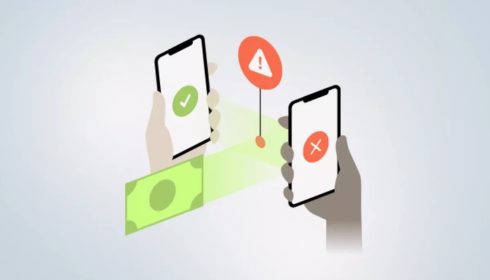
Digital payments have made life convenient, but they have also increased the chances of errors and fraud. A single wrong tap, incorrect account number, or fake link can result in money leaving your account instantly. When this happens, panic is natural—but acting quickly and correctly can significantly improve your chances of recovery. This guide explains what a wrong or fraudulent transaction is, what steps to take immediately, and how to protect yourself in the future.
Understanding Wrong and Fraudulent Transactions
A Wrong transaction usually happens due to a genuine mistake. This could be sending money to the wrong bank account, entering an incorrect UPI ID, or paying the wrong merchant. In such cases, the intent was honest, but the outcome was incorrect.
On the other hand, a fraud transaction occurs when someone deceives you into authorizing a payment or gains unauthorized access to your account. Common examples include phishing links, fake customer-care calls, OTP scams, and malware-infected apps. Fraud cases often involve manipulation rather than a simple error.
Understanding which category your case falls into is important because banks and authorities handle them differently.
Immediate Steps to Take After a Wrong Transaction
Time is critical. As soon as you notice the error:
- Contact your bank or payment app immediately
Use the official customer support channel of your bank, UPI app, or wallet. Many banks have a “report transaction issue” option directly inside the app. - Request a reversal
For wrong transfers, banks may contact the recipient bank and request a reversal. While success depends on the recipient’s consent, early reporting increases the chances. - Document everything
Save screenshots, transaction IDs, date, time, and amount. These details are essential for follow-ups. - Follow up regularly
Do not assume the issue will resolve automatically. Keep checking the status and escalate if required.
What to Do in Case of Fraud
If you suspect fraud, act even faster:
- Block your account or card immediately to prevent further loss.
- Change passwords and PINs linked to your banking and payment apps.
- File a formal complaint with your bank stating it is a complaint for fraud transaction.
- Report to cybercrime authorities through the official cybercrime reporting portal or local cyber cell.
Banks often have defined timelines to investigate fraud cases, and quick reporting is a key factor in getting a refund.
How Banks Investigate and Resolve Cases
Banks typically follow a structured process:
- Verification of transaction details
- Assessment of customer negligence (like sharing OTPs)
- Coordination with other banks or merchants
- Final decision on refund or rejection
For wrong transactions, outcomes depend heavily on cooperation from the recipient. For fraud cases, banks may refund the amount if it’s proven that the customer followed all safety norms.
Preventing Future Transaction Issues
Prevention is always better than recovery. Simple habits can save you from major losses:
- Double-check account numbers and UPI IDs before confirming payments
- Never share OTPs, PINs, or passwords—even with “bank officials”
- Avoid clicking unknown links or downloading unverified apps
- Enable transaction alerts and daily limits
- Use official apps and keep them updated
Final Thoughts
Wrong and fraud transactions are stressful, but they are not hopeless situations. The key is awareness, quick action, and proper reporting. Whether it’s an honest mistake or a scam, knowing the correct steps can help you minimize losses and improve recovery chances. Stay alert, stay informed, and treat digital payments with the same caution as cash.