Understanding Your Brine Tank Without the Guesswork
If you’ve ever peered into your water softener’s brine tank, scratched your head, and mumbled, “Is this right?”, welcome to the club. You’re not the only homeowner who’s wondered if they were supposed to top it off like a gas tank or leave it half full. Salt pellets floating around like marshmallows in soup? Water halfway up? No water at all? Yeah, it’s confusing.
But here’s the thing: once you get the hang of how your water softener works — and more importantly, what it needs from you — keeping it in good shape becomes less of a mystery and more of a simple routine. No stress. No endless YouTube rabbit holes.
Let’s demystify the salt, the brine, and the water levels inside your system, and finally answer questions like how much salt in brine tank is too much… or too little. We’ll keep it real, relaxed, and helpful — just like chatting with a neighbor who’s done this a few times.
First Off — Why the Brine Tank Even Matters
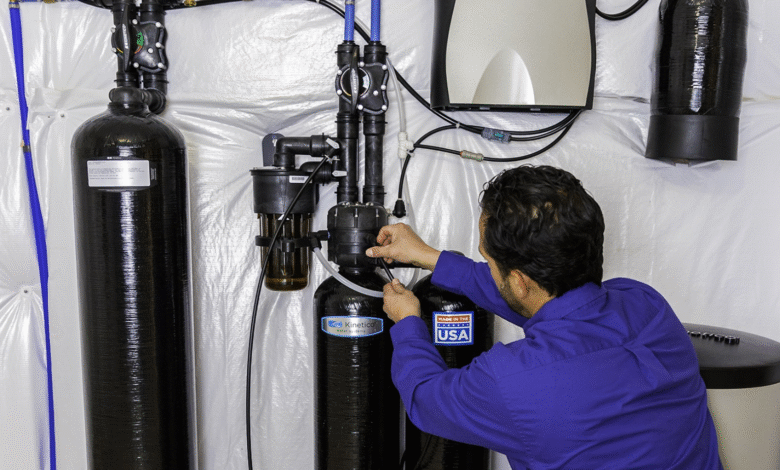
Think of your water softener system like a team. The resin tank does the heavy lifting, pulling hardness minerals (like calcium and magnesium) out of your water. But it can’t do that forever without backup. That’s where the brine tank steps in.
The brine tank holds salt and mixes it with water to create a brine solution. That brine gets flushed through the resin tank during regeneration, scrubbing those resin beads clean so they can go back to work.
No brine, no soft water. It’s that simple.
Should There Be Water in the Tank?
This one trips people up all the time. You pop the lid open and—surprise!—there’s water in the bottom. Or maybe there isn’t. Either way, it sparks confusion.
In general, yes, some water is supposed to be there. The water softener water level inside the brine tank typically sits about 6 to 12 inches from the bottom, depending on your system and the cycle it’s in. Some units keep water in the tank all the time. Others fill the tank just before regeneration, then drain it.
It’s one of those “depends on the model” answers, but the takeaway is this: seeing a few inches of water in the tank isn’t a reason to panic. A flood, on the other hand? That’s a different story.
Let’s Talk Salt: How Much Is Enough?
Here’s the million-dollar question — how much salt in brine tank is the right amount?
You’ll want to keep your salt level at least halfway full at all times. A good rule of thumb? Keep salt at least 3–4 inches above the water level. That ensures there’s enough salt to create a strong brine solution for each regeneration cycle.
You don’t have to top it off every week. In fact, overfilling it (especially with the wrong kind of salt) can lead to bridging — a hardened crust that traps water below and stops salt from dissolving properly. That means your system isn’t getting the brine it needs, which leads to—you guessed it—hard water all over again.
Check your salt level once a month. Top it off as needed. That’s really all there is to it.
What About the Type of Salt?
Not all salt is created equal. Most water softeners prefer pellet salt or solar salt — they dissolve efficiently, produce less residue, and are widely available at hardware stores. Avoid rock salt unless your system specifically calls for it. Rock salt is cheaper, sure, but it can leave behind more impurities and sludge.
If your softener is working harder than usual, or you’re in a region with particularly hard water, you may want to upgrade to high-purity salt. It costs a bit more, but it helps reduce buildup in the tank and keeps things running smoother, longer.
Salt Bridges, Mush, and Funky Smells — What to Watch For
Salt bridging is when a hard crust forms across the top of your salt pile, creating a gap underneath where water sits untouched. From the top, it looks like plenty of salt is there… but underneath, nothing is dissolving.
Use a broom handle or long stick to gently break it up. If there’s salt mush — that wet, sludgy mess at the bottom of the tank — scoop it out and clean the tank.
While you’re in there, take a whiff. A musty or moldy smell isn’t normal. It usually means you need to clean the tank and replace the salt. Once a year, give the brine tank a rinse with warm water and a splash of bleach (1 tablespoon per gallon), then rinse thoroughly and refill with fresh salt.
Understanding the Regeneration Process (Without Needing a Manual)
Once your water softener hits a certain volume of water usage, it kicks off a regeneration cycle. This is where the water softner brine comes into play. Your softener pulls water into the brine tank, mixes it with salt, then pumps the brine through the resin tank to clean it out. Afterward, the system flushes the dirty brine water down the drain.
That’s why having the right salt level (and clean brine solution) is so important. If that cycle doesn’t happen properly, everything downstream suffers — from your laundry to your appliances.
When Should You Worry?
If your water suddenly feels “off,” or you’re seeing soap scum and mineral deposits even though your system is running, check these three things first:
- Salt level — Is there enough? Has it bridged?
- Water level — Is it higher than normal? Could be a clogged injector or stuck float valve.
- Salt type — Are you using low-purity rock salt? Switch to pellets or solar.
You don’t need to be an expert to do basic troubleshooting. Most softener issues are tied to brine tank neglect. Stay ahead of it, and you’ll avoid most headaches.
Monthly Routine: A Simple Checklist
Let’s face it — you’re not going to think about your water softener every day. But once a month? Totally doable.
- ☐ Check salt level
- ☐ Break up salt bridges
- ☐ Watch water level
- ☐ Top off with fresh pellets
- ☐ Look (and sniff) for signs of sludge or mold
That’s it. Five minutes, max.
Final Thoughts: Keep It Simple, Keep It Flowing
Your brine tank doesn’t need constant attention — just a little now and then. And once you get used to it, it becomes second nature. You’ll notice your water staying consistently soft. Your appliances will thank you. Your skin might even feel less itchy. All because you kept the salt in check and peeked at the water line once in a while.